Nataleira: The History of a Village
The village of Nataleira, on the eastern coast of Viti Levu, stands as a testament to the history and resilience of the Navunisea people. Its foundation was not a single event, but a journey shaped by movement, loyalty, and the deep traditions of Fijian life.
The Journey of Nataleira
The ancestors of Nataleira’s people once lived inland, in the highlands of Tokaimalo. As generations passed, they moved across the land, from Nagaralase to Navesi, carrying their customs and their identity with them.
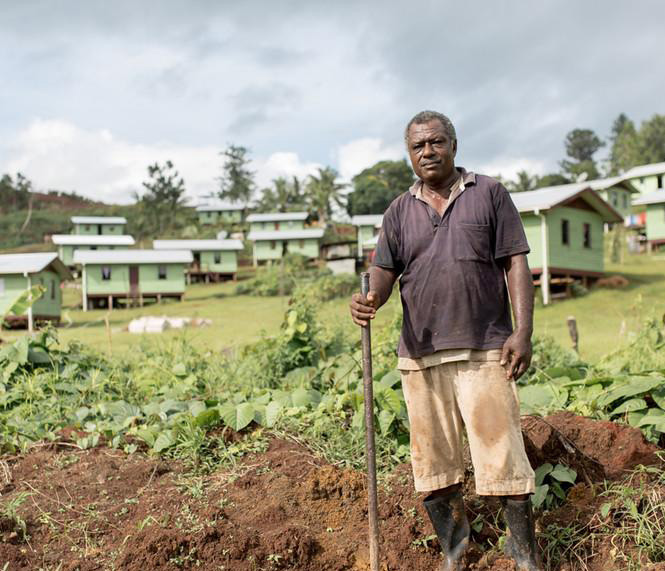
Their journey was not one of exile, but of loyalty. They served under Ratu o Dawasamu, and in recognition of their service, he gifted them the land that would become Nataleira. This was not merely a practical decision—it was an act of trust and gratitude. The land, with its rich soil and connection to the sea, became the foundation of a people’s home. Over time, Nataleira was shaped by those who lived upon it. They cultivated the land, fished in the waters, and built a society where communal responsibility and tradition were paramount.
 In Fijian society, the land is more than a resource; it is identity. Nataleira is not just a
settlement but a home to generations, a place where ancestors are honored and where customs
are preserved through storytelling, ceremony, and daily life. Knowledge is passed from elders
to children—not in books, but through lived experience. Each person has a role in maintaining
the balance of the village, whether as a fisher, a farmer, a navigator, or a guardian of tradition.
In Fijian society, the land is more than a resource; it is identity. Nataleira is not just a
settlement but a home to generations, a place where ancestors are honored and where customs
are preserved through storytelling, ceremony, and daily life. Knowledge is passed from elders
to children—not in books, but through lived experience. Each person has a role in maintaining
the balance of the village, whether as a fisher, a farmer, a navigator, or a guardian of tradition.
Like many Fijian villages, Nataleira’s people lived in close connection with the land and sea. The ocean was a source of sustenance, trade, and exploration. The land provided crops, yaqona, and materials for traditional crafts. The seasons dictated daily life, and the relationships between clans and extended families reinforced the bonds that held the village together. This was a world where kinship was more than blood—it was responsibility, respect, and collective survival.
Nataleira and the Outside World
European contact with Fiji increased during the late 18th and early 19th centuries, as traders, whalers, and explorers arrived on its shores. By the mid-19th century, European colonial interests began to shape the islands, bringing new economic systems, political pressures, and social change. While Fiji remained largely self-governed under traditional leadership, external influences grew, particularly through commerce and the establishment of new power structures. The introduction of foreign goods and trade altered daily life in Nataleira, as villagers engaged with new materials and technologies while maintaining their deep-rooted customs.
A Christian missionary by the name of Vanisi Racule, from the Delai clan, came to Nataleira, bringing a new faith that was embraced. The teachings of Christianity were absorbed into Fijian and Nataleiran culture rather than replacing it. The people of Nataleira, like many across Fiji, adapted while preserving their ancestral identity. Oral history continued to be the primary way of remembering the past, ensuring that while faith evolved, the connection to tradition remained.
Nataleira Today
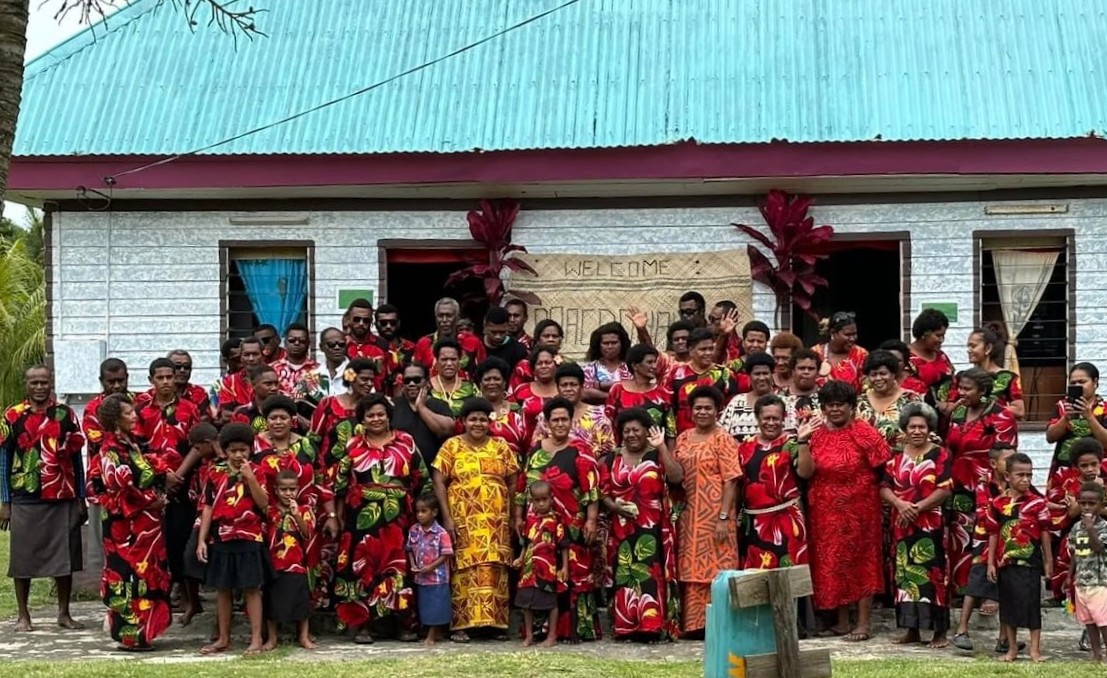
Nataleira is made up of approximately 106 families with an estimated 439 individuals. 1.
 The Chief of Nataleira is Simione Botu 4.
Previous chiefs include Marika Dakuwaqa 2 and Malakai Rokomatu 3.
Most of the villagers are Methodist and the village has a church.
According to a report by The Octagon Group, the village is one of the more wealthy villages in the Dawasamu district; with "plentiful land, cash income from backpacker's bures, cash income from people working outside the village, one family has a vehicle, and some families have generators."
Eco-Tourism
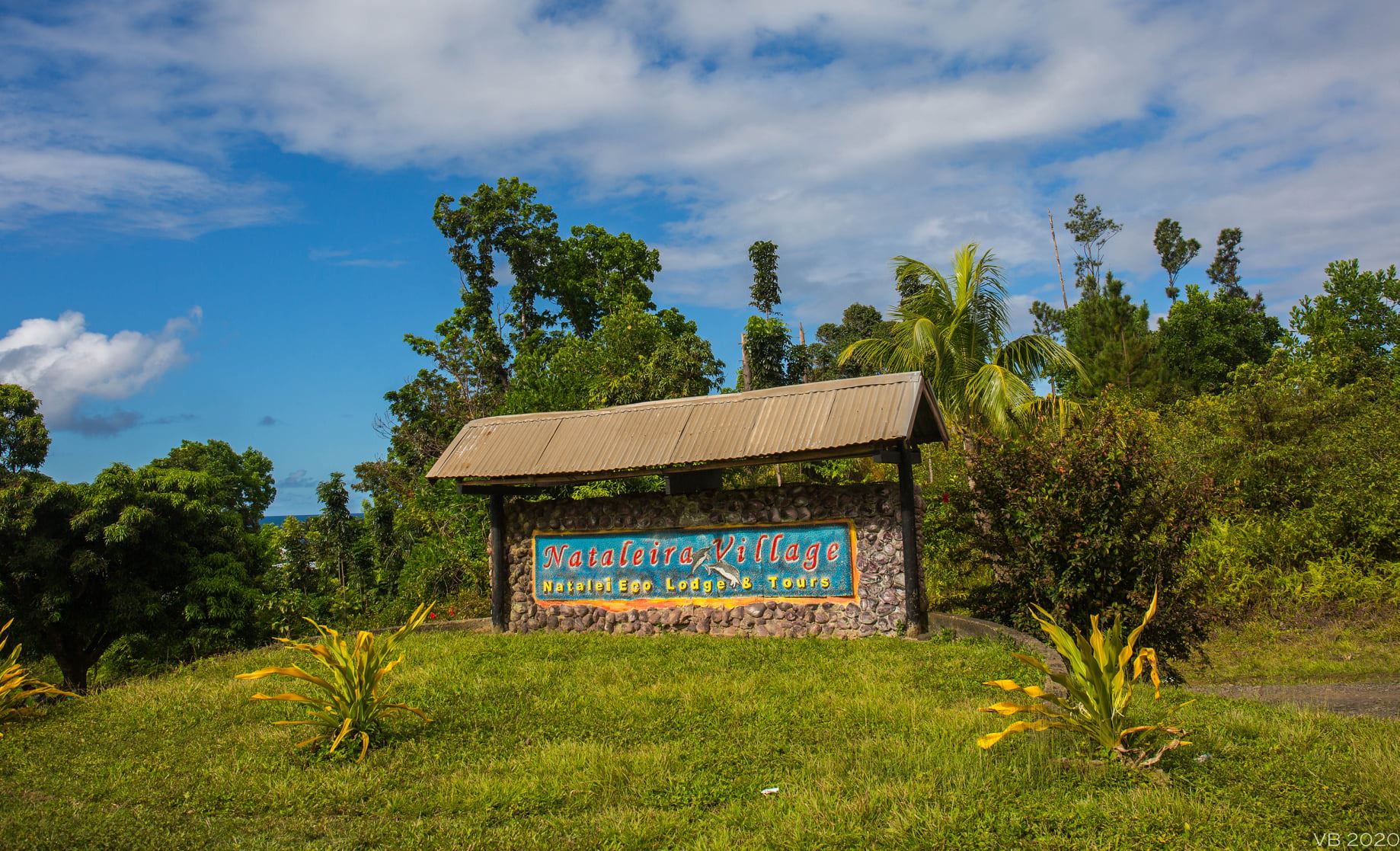
In 2002 the village established their own eco-tourism project "Natalei Eco Lodge". They ran it until 2007.
In February 2010 the village decided to rejuvinate the business and requested "Sustainable Tourism Internation Ltd" to take over management.
Challenges for the Village
Climate change, especially in the form of rising sea levels, is a concern for the village. Sea level has risen by about 6mm per year since 1993, leading to salwater inundation of coastal plantations.
Sea level rise has impacted crops significantly, with the village losing its mango dina crops (they don't fruit anymore) and peanut crops impacted by the shrinking of the beach areas requiring them to be planted further waway from the village.
Beach erosion is quite visible, coconut trees near the beaches are being washed away, and the likelihood of being flooded from storm surges or floods (or both at the same time) is very high.
The Life of Losana Nataleira
Extract from The Fiji Times Article
Among those born into this world was Losana Soli, a woman of Nataleira whose life was shaped by the village and its customs. She was the sister of Mereani, Miriama, and Vika, all daughters of Ratu Joseva Rokomatu.
As a woman of the Navunisea clan, she would have been expected to uphold the responsibilities of her lineage, contributing to the well-being of the village and maintaining the relationships that connected Nataleira to its chiefly leadership. Her daily life would have been shaped by communal duties, from tending to the land and sea to participating in the ceremonies that reinforced the bonds of kinship and tradition.
Marriage within Fijian society was often an arrangement that reflected alliances and honor, and when Boehm sought a wife, Losana was given to him in marriage. In keeping with Fijian custom, where names carry deep meaning, she became known as Soli, meaning 'gift'—a reflection of both her new role and the enduring traditions of Nataleira.
She was part of a family deeply connected to the land and its traditions, descended from generations who had lived in Nataleira since its founding. Her family carried the responsibilities of maintaining village customs, participating in ceremonial events, and upholding the relationships that bound Nataleira to neighboring villages and its chiefly leadership.
Raised within this close-knit society, Losana was surrounded by the oral histories of her ancestors and the expectations that came with being part of such a lineage. The values of kinship, respect, and service to the community were instilled in her from an early age, shaping the way she engaged with the world around her. She grew up immersed in the traditions of her people, surrounded by the knowledge and practices of her ancestors. Her life, like those before her, was woven into the fabric of Nataleira’s history.
Nataleira remained a place of continuity even as the world beyond it changed. Colonial governance reshaped Fiji, but the village endured, carrying with it the resilience of those who first settled there. The land gifted by Ratu o Dawasamu remained sacred, a reminder that Nataleira’s people were not simply inhabitants, but caretakers of a legacy passed through generations.